Design

Moholy-Nagy Foundation identity by Pentagram
The Moholy-Nagy Foundation asked Marina Willer to create a new identity and website to promote, research and preserve the legacy of László Moholy-Nagy's life and work.

Adaptive Womenswear by Petit Pli
Petit Pli is a material science company engineering garments that grow through applying its patent-accepted technology.
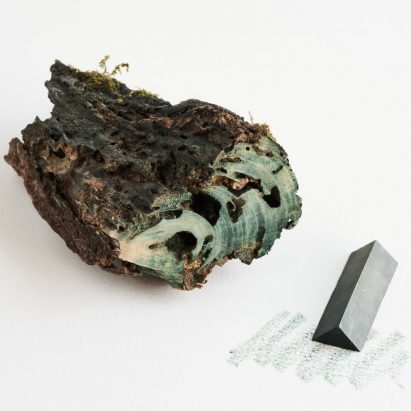
Forest Crayons by Playfool
Forest Crayons is a set of crayons naturally pigmented entirely through Japanese wood.

TT_01 by Poesenvanhiel Architects
TT_01 by Poesenvanhiel is an angular, bridge-like table.
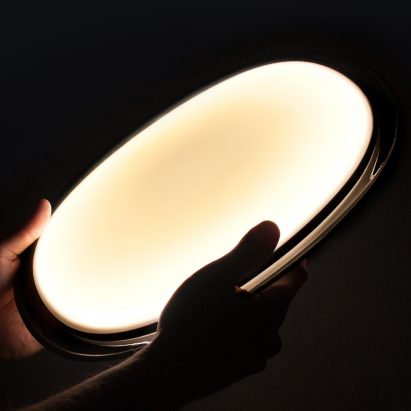
Alis by Potemine
Alis is an advanced lighting device that combines the latest Internet of Things technologies and a timeless design.
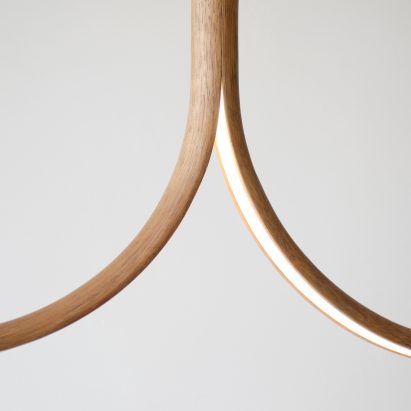
Onu Series by Sabu Studio
Sabu Studio has created a minimal and elegant design that brings a sense of the natural world into interior spaces.

Scaled
Scaled is a material innovation developing custom-fit wearables to prevent harmful long-term damage, especially tackling human joint injuries.
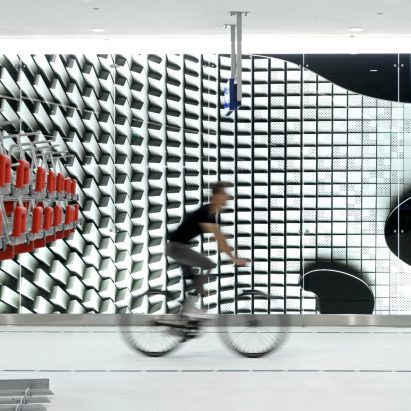
Bicycle parking garage The Hague by Silo
One of the world's largest underground bicycle parking garages has been built in front of The Hague Central Station in the Netherlands.
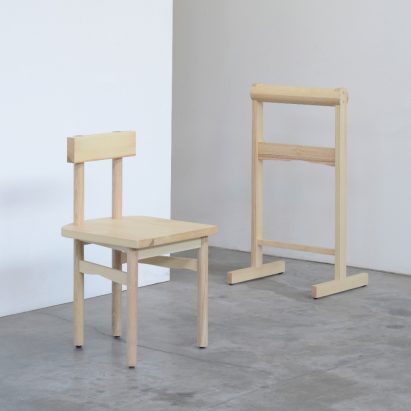
Gamar Chair & Stool by Spacon and X
Spacon & X have collaborated with Frankfurt-based furniture brand e15 to unveil a range of custom-made furniture
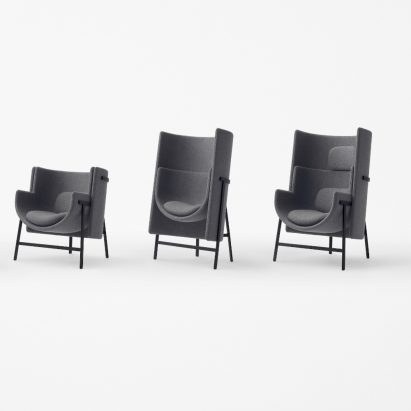
Kite by Stellar Works
Kite is a compact armchair designed with commercial and hospitality spaces in mind and in particularly small spaces.
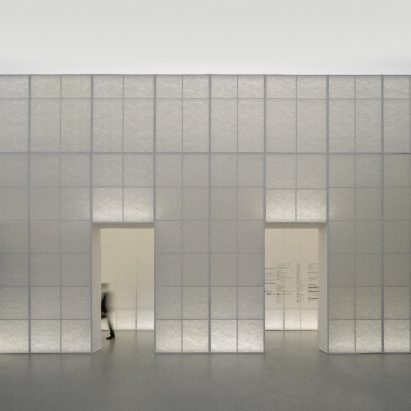
V&A Fashioned From Nature at the Design Society by Studio 10
The V&A museum's gallery at the Fumihiko Maki-designed Sea World Culture and Arts Center in Shenzhen was transformed to host the exhibition Fashioned From Nature, previously displayed in London.
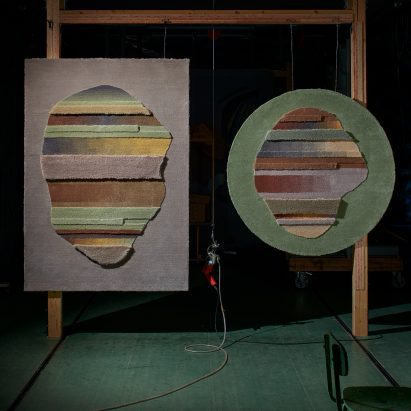
Rug collection Lutetia and Juno by Studio Agne
Rug collection Lutetia and Juno are part of the Ignorance is Bliss brand by Agne Kucerenkaite.
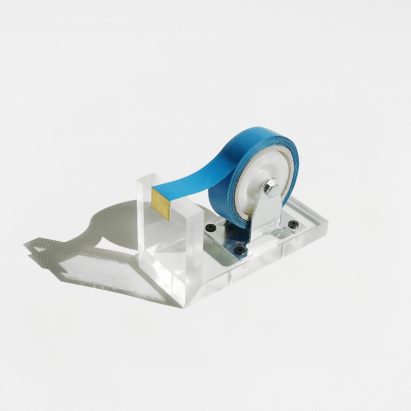
The Misused by Studio Liang-Jung Chen
The Misused elevates ubiquitous hardware to quality homeware.
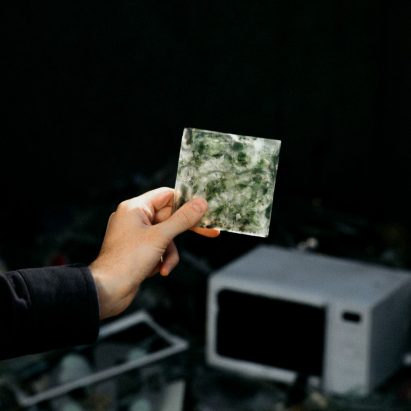
Common Sands: Forite Tiles by Studio Plastique, Snøhetta and Fornace Brioni
Common Sands — Forite is a collection of recycled glass tiles made from the glass components found in discarded ovens and microwave ovens.
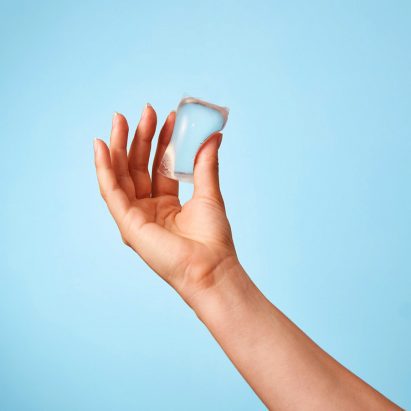
Notpla by Superunion
Notpla is a revolutionary, seaweed-based material and sustainable start-up on a mission to make packaging, as we know it, disappear naturally.
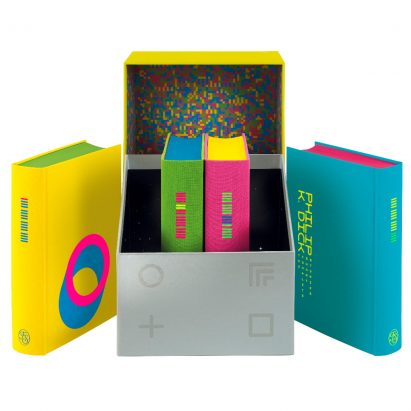
The Complete Short Stories: Philip K Dick by The Folio Society
This limited edition from The Folio Society contains all 118 of Philip K Dick's short stories.
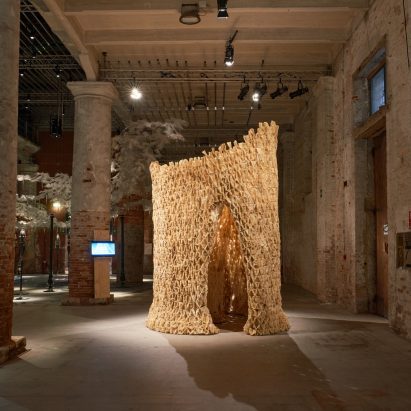
Alive by The Living
This project explores a new vision of probiotic buildings. It is a prototype for architecture that promotes human health by promoting diverse microbial communities through the calibration of light and air flow.
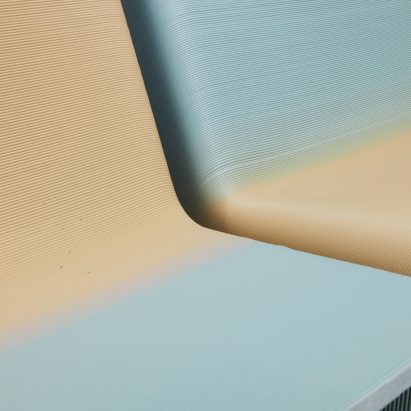
Ermis Chair by The New Raw
The New Raw goes zero waste by creating this limited series of the Ermis chair, which is made using the waste material of their production line.
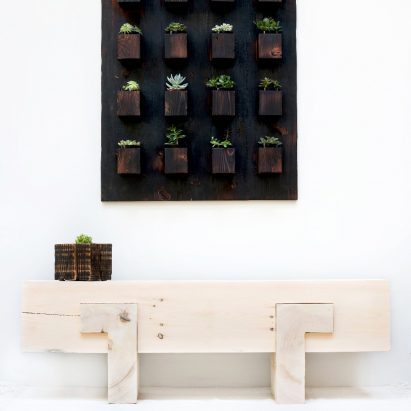
Ptacek Home Chunk Line by Thomas J Ptacek
Forests give up large chunks of wood along highways and in neighbourhoods that are not commercially viable on an industrial scale so often end up as firewood or landfill.
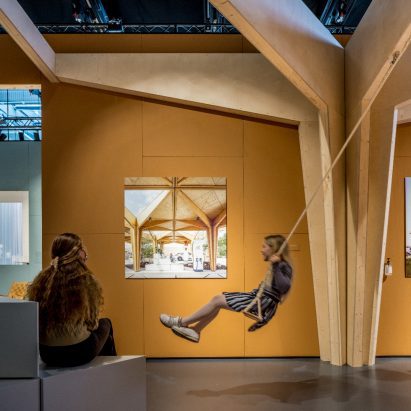
Backstage by Tinker Imagineers and Danish Architecture Center
The Danish Architecture Center's new, large exhibition Backstage focuses on key dilemmas in Danish architecture that affect us all.
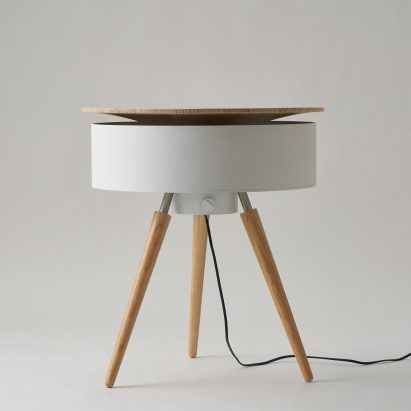
Brise by Wonho
Brise is an electric fan that naturally functions by permeating the space, a gentle breeze regardless of the season.
Sustainability
Common Sands: Forite Tiles by Studio Plastique, Snøhetta and Fornace Brioni
Common Sands — Forite is a collection of recycled glass tiles made from the glass components found in discarded ovens and microwave ovens.
Notpla by Superunion
Notpla is a revolutionary, seaweed-based material and sustainable start-up on a mission to make packaging, as we know it, disappear naturally.
Alive by The Living
This project explores a new vision of probiotic buildings. It is a prototype for architecture that promotes human health by promoting diverse microbial communities through the calibration of light and air flow.
Ptacek Home Chunk Line by Thomas J Ptacek
Forests give up large chunks of wood along highways and in neighbourhoods that are not commercially viable on an industrial scale so often end up as firewood or landfill.